Market:
Mining, Construction and Developments
Location:
North of Pilanesberg National Park, North West Province
Project Information:
Section 1: Project Objective
The objective of this Noise Impact Assessment is to establish baseline ambient environmental noise conditions within and surrounding the proposed underground mining development near the Pilanesberg National Park and to assess the potential noise impacts associated with the construction, operational and decommissioning phases of the project. The assessment aims to identify noise-sensitive receptors, characterise existing noise sources, and evaluate predicted noise impacts in accordance with applicable South African legislation and standards, including SANS 10103 and SANS 10328. The study further seeks to determine the significance of potential noise impacts and to develop practical mitigation measures to prevent noise nuisance and environmental degradation. The outcomes of the assessment are intended to inform the Environmental Impact Assessment (EIA) process, support regulatory decision-making, and ensure that the proposed development remains acceptable from a noise impact perspective, provided appropriate mitigation and management measures are implemented.
Section 2: Execution Strategy
The NIA was executed through a structured, multi-phase approach to ensure a scientifically robust and defensible outcome.
- Desktop Analysis: Review of project information, surrounding land use, sensitive receptors, applicable legislation and standards (including SANS 10103 and SANS 10328) to define the noise study area and assessment approach.
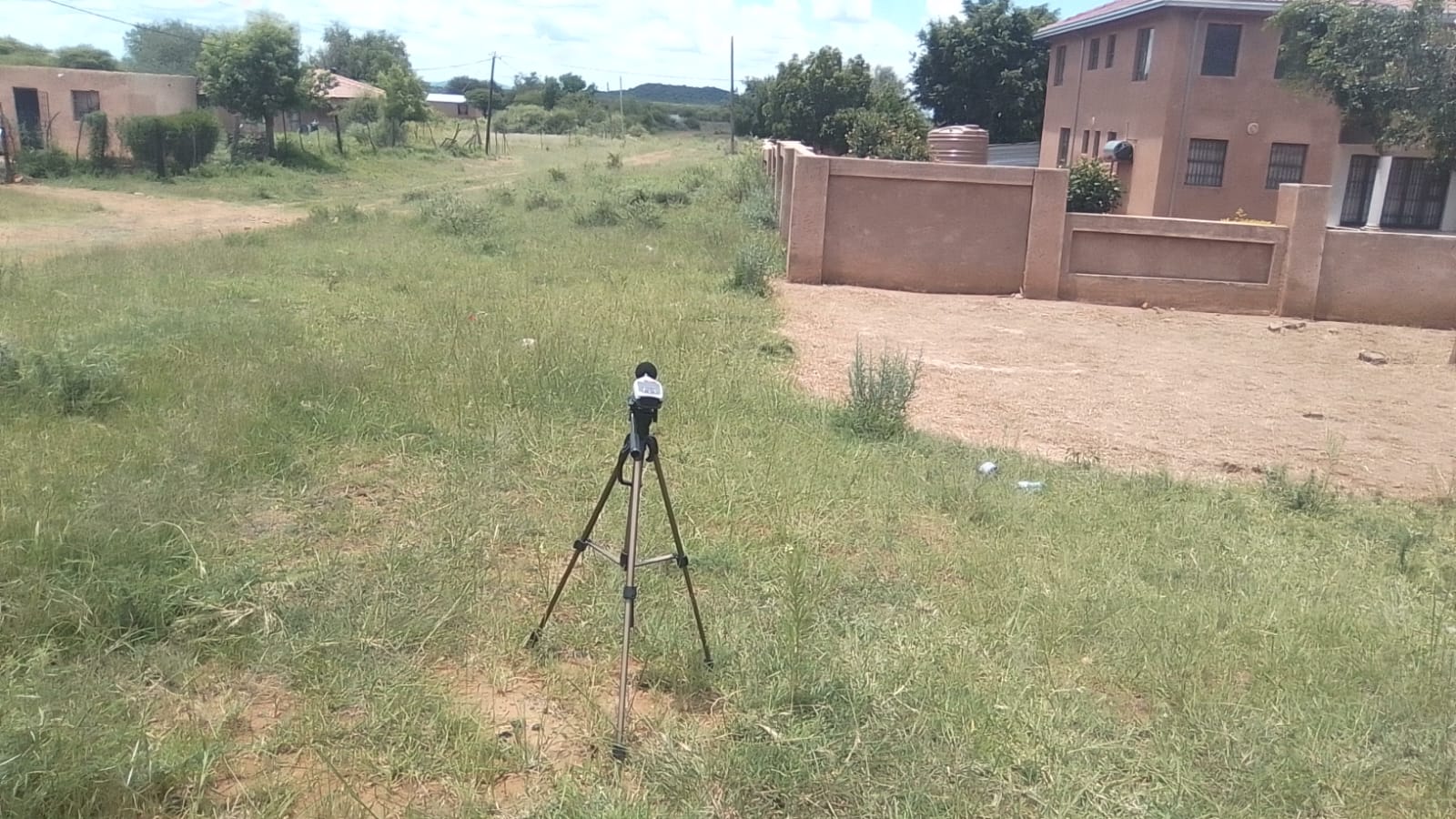
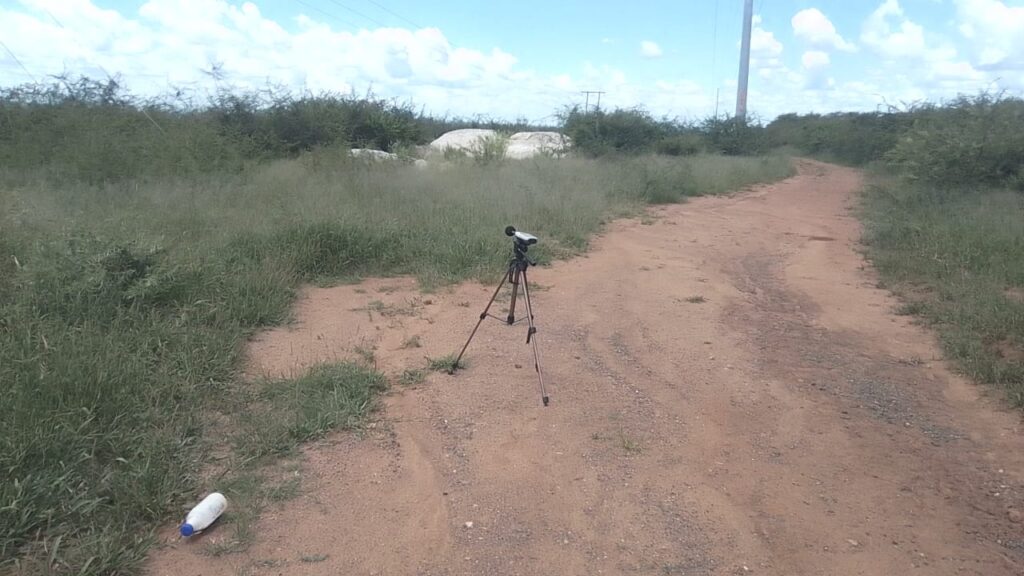
- Field Survey: Day- and night-time baseline noise measurements undertaken at selected monitoring locations using calibrated sound level meters, supported by site observations and weather data.
- Analytical Assessment: Analysis of measured noise levels, dominant noise sources and spatial noise distribution, including comparison against applicable guideline limits for the receiving environment.
- Impact Evaluation: Assessment of potential noise impacts during construction, operational and decommissioning phases using a standard significance rating methodology based on magnitude, duration, extent and probability.
- Mitigation Development: Development of practical, phase-specific mitigation measures to manage noise generation, reduce nuisance at sensitive receptors and ensure compliance with applicable standards and duty-of-care requirements.
Section 3: Key Achievements
- Established Baseline Noise Conditions: Quantified existing day- and night-time ambient noise levels at representative locations to define the baseline sound environment prior to project development.
- Identification of Sensitive Receptors: Identified and assessed noise-sensitive communities and land uses surrounding the proposed mining area, including rural settlements and lodges.
- Based Assessment: Assessed measured noise levels against applicable South African standards (SANS 10103 and SANS 10328) to determine compliance and potential exceedances.
- Impact Significance Evaluation: Evaluated potential noise impacts for construction, operational and decommissioning phases using a recognised impact significance rating methodology.
- Mitigation and Management Framework: Developed practical, phase-specific mitigation measures to manage noise generation and prevent nuisance conditions at surrounding receptors.
- Regulatory Decision Support: Provided defensible specialist findings to support the EIA process and inform environmental authorisation decision-making.