Market:
Metallurgical Processing
Location:
Meyerton, Gauteng
Project Objective:
Classify and assess the geochemical characteristics of the historical waste material at a Manganese Alloy Smelter, in order to determine the waste type, understand its acid-generating and contaminant characteristics, and inform appropriate management, closure and potential future reuse options.
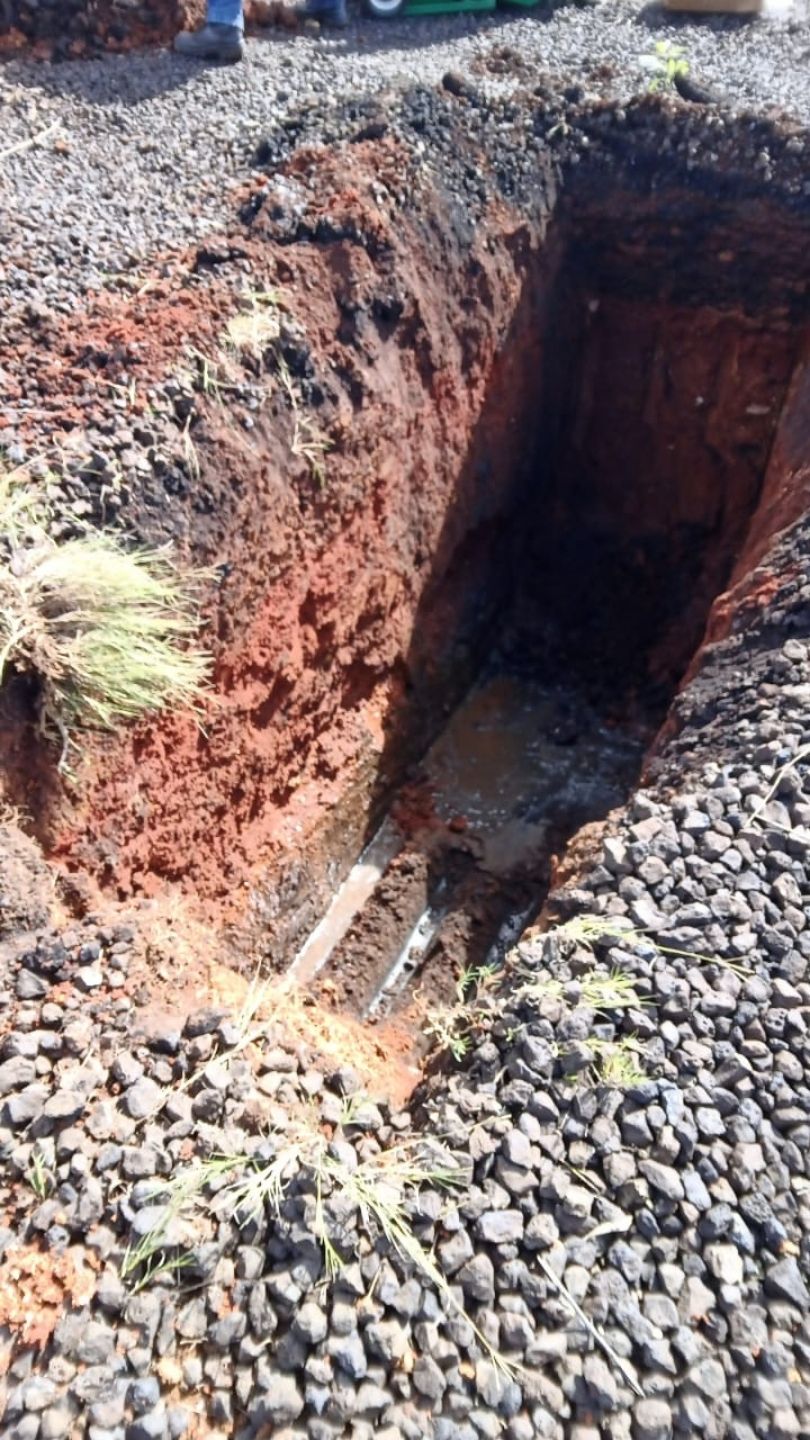
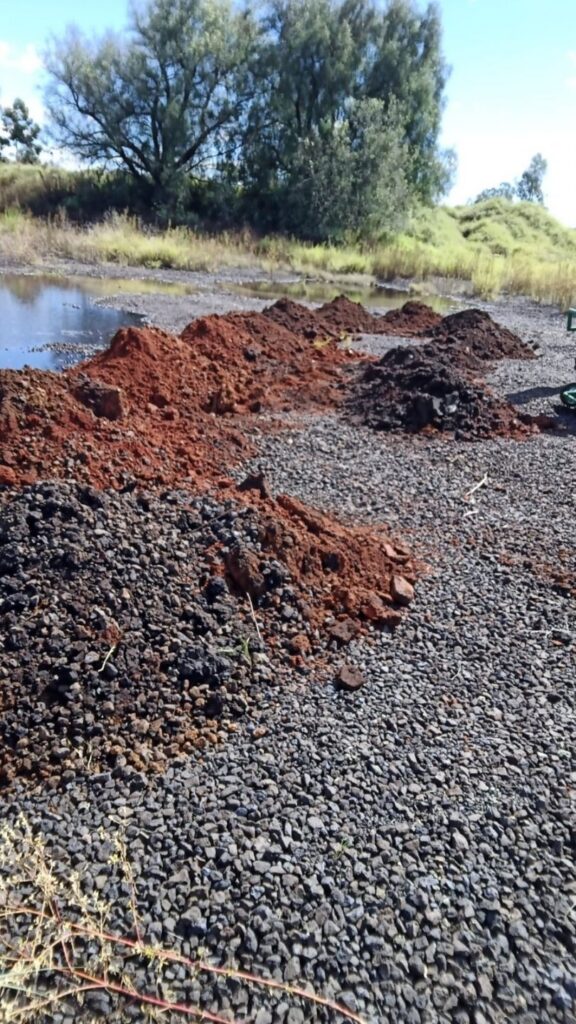
The project was executed through a phased waste characterisation and geochemical assessment process. The client collected representative samples from the General Waste Disposal Dump, which were submitted to SANAS-accredited laboratories for total and leachable concentration testing, acid-base accounting, net acid generation testing and related geochemical analysis. ENVASS then interpreted the laboratory results against the applicable waste classification criteria, assessed the waste type and acid-generating potential, and compiled the Waste Classification and Geochemical Assessment Report. Additional phosphorus and phosphate testing and specialist review were subsequently incorporated to refine the assessment and inform the recommended way forward for management and closure of the waste dump.
Project Key Achievements:
Key achievements included completing the waste classification and geochemical assessment of the General Waste Disposal Dump, identifying the material as Type 1 waste requiring Class A landfill disposal, and confirming that the sampled material is non-acid-forming with strong neutralisation capacity. The assessment also identified elevated phosphorus/phosphate concentrations in parts of the dump and incorporated specialist review of the observed reactive/flammable behaviour of the material, which helped shift the recommended way forward toward a more appropriate closure and rehabilitation strategy rather than immediate beneficial reuse.